

AI telemarketing is transforming how businesses engage with customers, automate outbound sales, and manage inbound inquiries. By leveraging artificial intelligence, voice agents, and conversational automation, companies are reducing costs, increasing efficiency, and improving customer experiences. This comprehensive guide explores how ai telemarketing works, its benefits, use cases, and how platforms like OpenMic.ai are leading the charge in intelligent voice automation.
What Is AI Telemarketing?
AI telemarketing refers to the use of artificial intelligence technologies such as natural language processing (NLP), machine learning, and voice synthesis to automate phone-based sales, lead qualification, appointment scheduling, and customer service interactions. Unlike traditional telemarketing that relies on human agents, ai telemarketing systems can handle thousands of calls simultaneously, provide 24/7 availability, and deliver consistent messaging.
These AI-powered systems are designed to understand customer queries, respond intelligently, and even adapt their tone and approach based on conversational context. According to Forrester customer service AI trends, AI voice agents are projected to handle 50% of customer interactions by 2025, improving responsiveness by 35% and significantly reducing missed calls in small and medium enterprises.
Key Components of AI Telemarketing
- Voice Recognition: Converts spoken language into text for processing.
- Natural Language Understanding (NLU): Interprets customer intent and context.
- Text-to-Speech (TTS): Generates human-like voice responses.
- CRM Integration: Syncs with customer databases to personalize interactions.
- Analytics & Reporting: Tracks call outcomes, sentiment, and performance metrics.
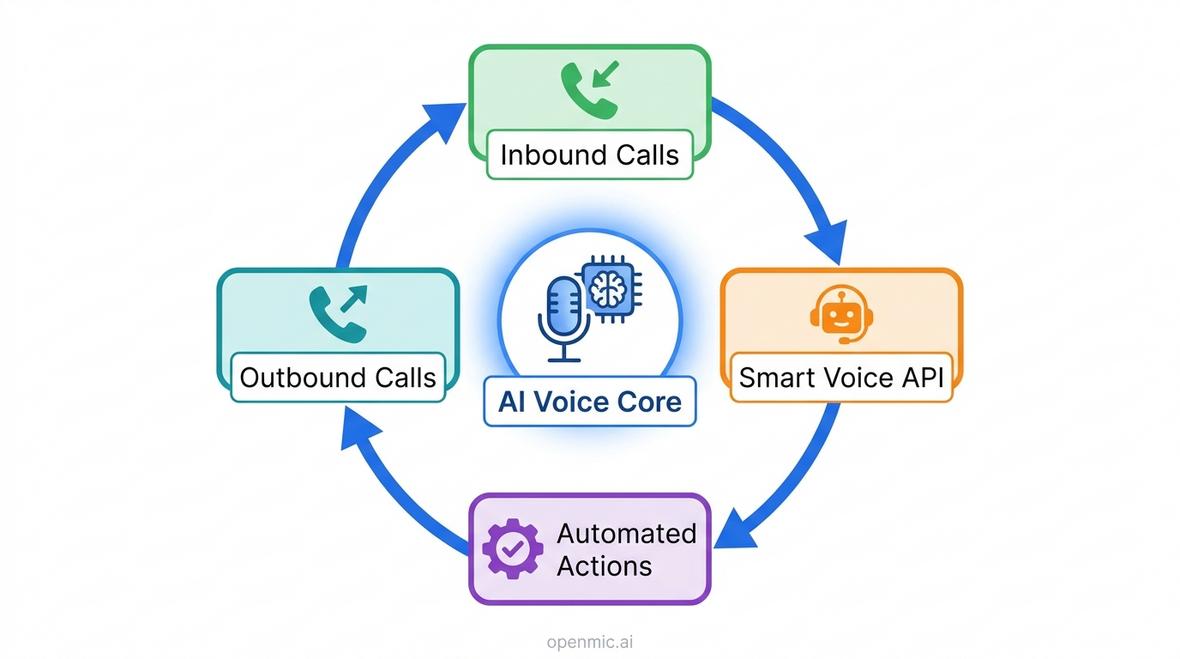
This diagram illustrates a closed-loop ai telemarketing system where an AI Voice Core processes inbound calls, uses a Smart Voice API for intelligent interaction, triggers automated actions such as updating CRM records or sending follow-ups, and can initiate outbound calls to complete the cycle. This continuous automation ensures that no lead is left unattended.
Benefits of AI Telemarketing for Modern Businesses
Implementing ai telemarketing solutions offers a range of advantages for businesses looking to scale operations, reduce costs, and enhance customer engagement. Here are the most compelling benefits:
1. Cost Efficiency
Traditional telemarketing requires hiring, training, and managing large teams of agents. AI systems eliminate these overhead costs while maintaining high call volumes. Businesses can redirect human resources to more strategic tasks while AI handles routine inquiries and outbound campaigns.
2. 24/7 Availability
AI voice agents never sleep. They can handle after-hours calls, weekend inquiries, and peak-time overflow without additional staffing costs. This is especially valuable for industries like car dealerships, real estate, and healthcare, where timing is critical for lead conversion.
3. Scalability
AI telemarketing platforms can scale instantly to accommodate seasonal demand, product launches, or marketing campaigns. Whether you need to make 100 or 10,000 calls per day, AI systems can adapt without delays or quality degradation.
4. Consistency and Compliance
Human agents may vary in tone, messaging, and compliance adherence. AI ensures every call follows predefined scripts, regulatory guidelines, and brand voice standards. This reduces legal risk and maintains brand integrity.
5. Data-Driven Insights
AI telemarketing platforms collect rich data on customer sentiment, objection patterns, conversion rates, and call duration. These insights help businesses refine their messaging, optimize campaigns, and improve ROI. Platforms like OpenMic.ai offer real-time analytics dashboards and CRM integration to track performance metrics seamlessly.
Top Use Cases for AI Telemarketing
The versatility of ai telemarketing makes it suitable for a wide range of applications across industries. Here are some of the most impactful use cases:
Lead Qualification
AI voice agents can automatically call leads, ask qualifying questions, and score them based on predefined criteria. This ensures that only high-quality prospects are passed to human sales teams, improving efficiency and conversion rates. Learn more about lead qualification with AI.
Appointment Scheduling
From booking medical consultations to scheduling real estate showings, AI agents can handle appointment requests, send reminders, and manage cancellations. This reduces no-shows and administrative burden. Explore appointment booking automation.
Customer Support & FAQ Handling
AI telemarketing systems can answer frequently asked questions, provide product information, and troubleshoot common issues. This frees up human agents to focus on complex inquiries. Discover how FAQ automation works.
Debt Collection & Payment Reminders
AI agents can make respectful, compliant calls to remind customers of overdue payments, offer payment plans, and log interactions for record-keeping. This is especially valuable in debt collection and financial services.
Surveys and Feedback Collection
Post-purchase surveys, customer satisfaction polls, and market research can be automated using AI voice agents. They can conduct thousands of interviews simultaneously and provide structured data for analysis. Check out voice survey automation.
Cart Abandonment Recovery
E-commerce businesses can use AI to call customers who abandoned their carts, offer discounts, and guide them through checkout. This proactive approach can recover lost revenue and improve customer retention. Learn about cart abandonment management.
How AI Telemarketing Works: A Technical Overview
Understanding the technology behind ai telemarketing helps businesses evaluate platforms and integrate them effectively. Here's a step-by-step breakdown:
Step 1: Call Initiation
The system automatically dials phone numbers from a database or CRM. For inbound scenarios, the AI agent picks up incoming calls instantly.
Step 2: Speech Recognition
The AI converts the caller's spoken words into text using advanced speech-to-text models. This text is then processed for intent and sentiment analysis.
Step 3: Natural Language Understanding
The system interprets the meaning behind the words, identifies customer intent, and determines the appropriate response. This involves parsing context, detecting emotions, and recognizing keywords.
Step 4: Response Generation
Based on the analysis, the AI generates a natural, conversational response. This can include answering questions, providing information, or guiding the customer through a process.
Step 5: Text-to-Speech Conversion
The generated response is converted back into spoken language using text-to-speech technology. Modern systems produce highly realistic, human-like voices with appropriate intonation and emotion.
Step 6: Action Execution
The AI can trigger backend actions such as updating CRM records, sending follow-up emails, scheduling appointments, or transferring calls to human agents when necessary.
Step 7: Analytics and Learning
Every interaction is logged and analyzed. Machine learning models continuously improve based on call outcomes, customer feedback, and performance data.
Choosing the Right AI Telemarketing Platform
Not all ai telemarketing solutions are created equal. When evaluating platforms, consider the following factors:
Integration Capabilities
The platform should seamlessly integrate with your existing CRM, helpdesk, and marketing automation tools. OpenMic.ai, for example, offers robust integrations with popular platforms like HubSpot, Salesforce, Zoho, and Pipedrive.
Voice Quality
Natural-sounding voices improve customer experience and reduce hang-up rates. Test the platform's text-to-speech capabilities to ensure they meet your standards.
Customization and Flexibility
Look for platforms that allow you to customize scripts, workflows, and decision trees. The ability to train the AI on your specific industry terminology and use cases is crucial.
Compliance and Security
Ensure the platform complies with regulations such as TCPA, GDPR, and HIPAA (if applicable). Data encryption, secure API access, and audit logs are essential for protecting customer information.
Analytics and Reporting
Comprehensive dashboards, real-time monitoring, and exportable reports help you measure ROI and optimize campaigns. The platform should provide insights into call duration, sentiment scores, conversion rates, and more.
Pricing Transparency
Understand the pricing model whether it's per-call, per-minute, or subscription-based. Hidden fees and complex pricing structures can quickly erode ROI. Visit OpenMic.ai pricing for transparent, flexible plans.
AI Telemarketing vs. Traditional Telemarketing: A Comparison
| Feature | AI Telemarketing | Traditional Telemarketing |
|---|---|---|
| Cost | Low (no salaries, benefits) | High (hiring, training, management) |
| Availability | 24/7 | Limited to business hours |
| Scalability | Instant (thousands of calls) | Slow (requires hiring) |
| Consistency | High (same script, tone) | Variable (human error) |
| Compliance | Automated (built-in rules) | Manual (training required) |
| Data Collection | Automatic (every call logged) | Manual (prone to errors) |
| Personalization | High (AI-driven insights) | Moderate (agent expertise) |
Industries Benefiting from AI Telemarketing
AI telemarketing is making waves across diverse sectors. Here's how different industries are leveraging this technology:
Healthcare
Hospitals and clinics use AI to schedule appointments, send medication reminders, and conduct patient surveys. This reduces administrative workload and improves patient satisfaction.
Real Estate
Real estate agents use AI to qualify leads, schedule property viewings, and follow up with prospects. This allows agents to focus on high-value activities like closing deals.
Automotive
Car dealerships deploy AI for service appointment scheduling, trade-in inquiries, and after-hours lead capture.
Legal Services
Law firms use AI to handle intake calls, qualify potential clients, and schedule consultations, freeing up attorneys to focus on casework.
Retail and E-commerce
Retailers use AI to handle order inquiries, process returns, and recover abandoned carts through personalized outbound calls.
Best Practices for Implementing AI Telemarketing
To maximize the success of your ai telemarketing initiatives, follow these best practices:
Start with a Pilot Program
Test the AI system on a small segment of your audience before full deployment. This allows you to refine scripts, workflows, and integrations based on real-world feedback.
Train Your AI
Provide the AI with historical call data, FAQs, and customer profiles to improve accuracy. The more context the system has, the better it will perform.
Monitor and Optimize
Regularly review call recordings, sentiment scores, and conversion rates. Use these insights to tweak scripts, adjust tone, and improve outcomes.
Combine AI with Human Agents
AI should handle routine, high-volume tasks while human agents focus on complex, high-value interactions. Seamless handoffs between AI and humans are critical.
Respect Customer Preferences
Allow customers to opt out of AI calls or request a human agent at any time. Transparency and respect build trust and improve brand perception.
The Future of AI Telemarketing
The evolution of ai telemarketing is just beginning. Emerging trends include:
- Emotion AI: Systems that detect and respond to customer emotions in real time.
- Multilingual Support: AI agents that can seamlessly switch languages during a conversation.
- Hyper-Personalization: Using predictive analytics and customer history to tailor every interaction.
- Voice Cloning: Creating custom brand voices that resonate with target audiences.
- Integration with Video: Combining voice and video for richer, more engaging interactions.
As these technologies mature, businesses that adopt AI telemarketing early will gain a competitive edge in customer engagement, lead conversion, and operational efficiency.
Conclusion
AI telemarketing is revolutionizing how businesses communicate with customers, automate sales processes, and scale operations. By leveraging intelligent voice agents, companies can reduce costs, improve availability, and deliver consistent, high-quality interactions. Whether you're in healthcare, real estate, automotive, or retail, AI telemarketing offers a powerful solution to modern communication challenges. Platforms like OpenMic.ai provide the tools, integrations, and support needed to deploy AI voice agents quickly and effectively. As AI technology continues to evolve, the future of telemarketing is intelligent, scalable, and customer-centric.