
Introduction: The Evolution of Cold Calling in the AI Era
Cold calling has long been the backbone of B2B sales strategies, yet it remains one of the most challenging and resource-intensive activities for sales teams. Traditional cold calling yields an average conversion rate of just 2-3%, with only 3-10% of calls even connecting to a live person. However, the landscape is transforming rapidly with the introduction of AI cold calling software—a revolutionary technology that's reshaping how businesses approach outbound sales.
In 2026, AI-powered calling solutions are no longer experimental tools but essential components of competitive sales operations. These platforms leverage natural language processing, machine learning, and voice synthesis to automate prospect outreach, qualification, and follow-up at scale. For tech-savvy business leaders managing SMEs or enterprises, understanding and implementing AI cold calling software has become critical to scaling operations, reducing costs, and enhancing customer responsiveness.
This comprehensive guide explores everything you need to know about AI cold calling software, from market trends and performance metrics to implementation strategies and platform selection criteria.
The AI Cold Calling Market: Growth and Opportunity
The AI calling market is experiencing explosive growth, driven by businesses' urgent need to scale outreach while controlling costs. According to Fortune Business Insights, the AI call agents market is projected to reach nearly $3 billion by 2026, with forecasts extending to $13.52 billion by 2034. This remarkable growth trajectory reflects the technology's proven ability to transform sales operations.
The broader AI sales market is equally impressive, with projections reaching $240.58 billion by 2030 and $63.5 billion by 2032 at a compound annual growth rate of 32.6%. These figures underscore a fundamental shift in how organizations approach customer acquisition and engagement.
For businesses struggling with missed calls, the high expense of 24/7 human support, and the limitations of traditional IVR systems, AI cold calling software offers a powerful, secure, and highly integrable solution that addresses these pain points while opening new opportunities for revenue generation.
Performance Metrics: How AI Cold Calling Software Delivers Results
The quantifiable benefits of AI cold calling software are substantial and well-documented across multiple research sources. Understanding these metrics helps business leaders justify investment and set realistic expectations for implementation.
Conversion Rate Improvements
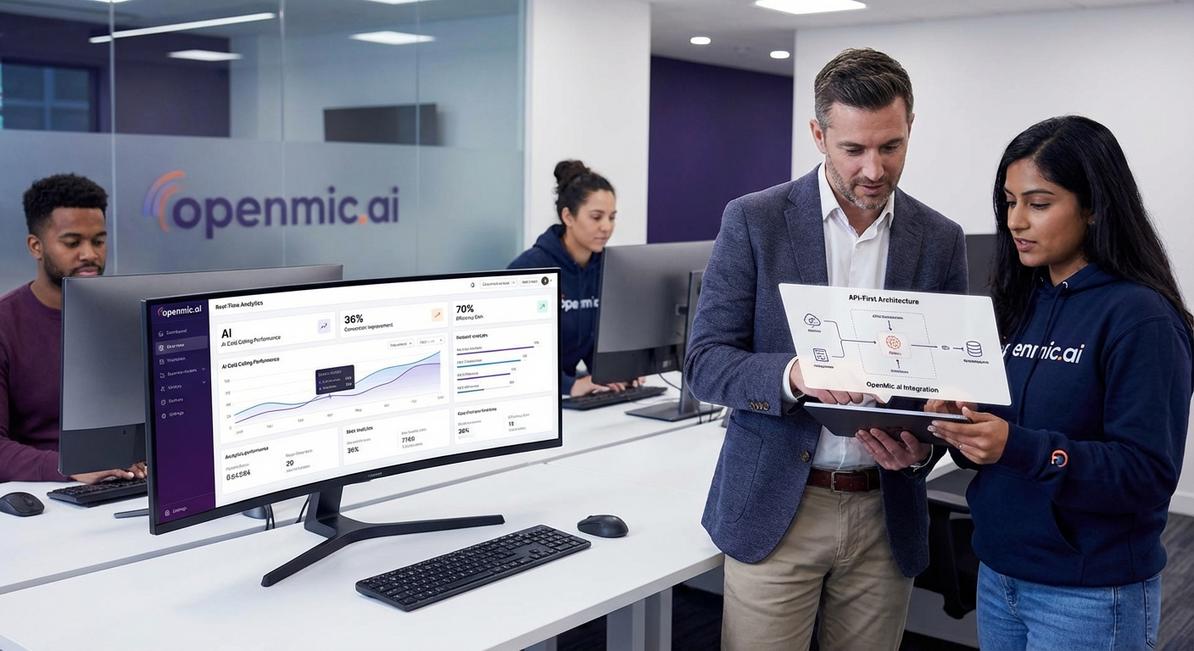
Research from Markets and Markets demonstrates that personalized AI-driven calls achieve 36% higher meeting conversion rates compared to traditional outreach methods. This improvement is particularly significant given that the average cold calling success rate for booking meetings is only 2-3%, while top performers achieve 6-10%+.
The key to these improvements lies in AI's ability to analyze prospect data, customize messaging in real-time, and optimize call timing based on behavioral patterns capabilities that far exceed what human sales development representatives can accomplish at scale.
Efficiency and Cost Reduction
Beyond conversion improvements, AI cold calling software delivers remarkable efficiency gains. Case studies reveal a 70% reduction in time spent on dialing and voicemail, allowing sales teams to focus on high-value activities like relationship building and deal closing. Additionally, businesses report a 28% increase in qualified meetings and a 42% reduction in cost per lead.
Sales development representatives using CRM and automation make 30-40% more calls than those relying on manual processes, according to research from Cleverly. This productivity boost translates directly to pipeline growth and revenue acceleration.
Core Capabilities of AI Cold Calling Software
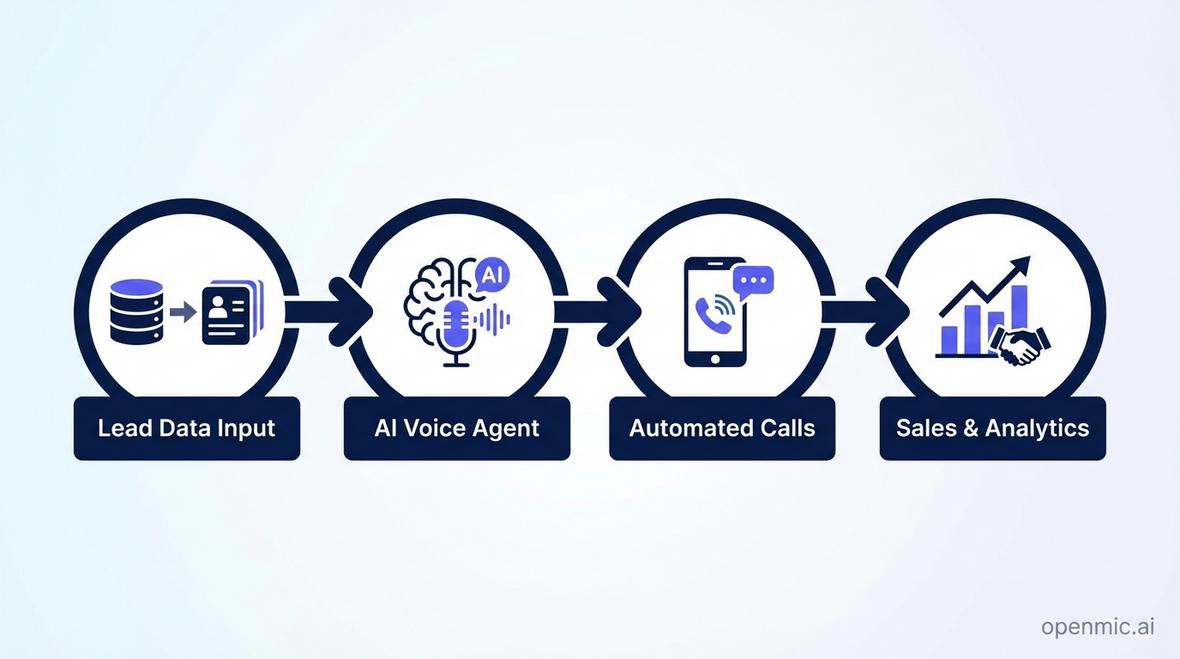
Modern AI cold calling software platforms offer a comprehensive suite of capabilities designed to automate and optimize every aspect of outbound calling. Understanding these features is essential for evaluating potential solutions.
Intelligent Lead Data Processing
The foundation of effective AI cold calling begins with intelligent lead data processing. Advanced platforms ingest lead information from multiple sources CRMs, databases, web forms, and third-party enrichment services then apply machine learning algorithms to prioritize prospects based on intent signals, firmographic data, and behavioral indicators.
This capability ensures that AI voice agents focus on the highest-probability opportunities first, maximizing the return on calling efforts and reducing wasted outreach to unqualified or uninterested prospects.
Natural Conversational AI
The heart of any AI cold calling software is its conversational AI engine. Top-tier platforms utilize advanced natural language understanding and generation to conduct human-like conversations that adapt dynamically to prospect responses. These systems can handle objections, answer questions, and guide conversations toward desired outcomes all without human intervention.
Modern voice AI has progressed far beyond robotic-sounding scripts. Today's solutions feature natural speech patterns, appropriate pauses, emotional inflection, and context-aware responses that make it difficult for prospects to distinguish between AI and human callers. For businesses implementing lead qualification workflows, this natural interaction is critical to maintaining brand reputation.
Real-Time Analytics and Optimization
AI cold calling software provides comprehensive analytics that track call outcomes, conversation quality, sentiment analysis, objection patterns, and conversion metrics. These insights enable continuous optimization of scripts, timing, and targeting strategies.
Effective coaching based on voice analytics data can boost conversions by 38%, according to industry research. Platforms that offer talk ratio analysis, sentiment detection, and objection identification empower sales leaders to refine approaches systematically and improve team performance.
Implementation Strategies for Maximum ROI
Successfully deploying AI cold calling software requires thoughtful planning and execution. The following strategies help ensure optimal outcomes and smooth adoption.
CRM and Technology Stack Integration
Modern businesses rely on interconnected technology ecosystems, making seamless integration a critical success factor. Leading AI cold calling platforms offer robust API connections to popular CRMs like HubSpot, Salesforce, Pipedrive, and Zoho. For enterprises with complex requirements, solutions like OpenMic.ai provide extensive integrations that support workflow automation across thousands of applications.
Before selecting a platform, conduct a thorough assessment of your existing technology stack and identify integration requirements. Prioritize solutions that offer pre-built connectors to your core systems, as custom integration development can significantly extend implementation timelines and costs.
Defining Clear Use Cases
AI cold calling software can support numerous use cases, from initial prospecting and appointment booking to customer reactivation and voice surveys. Organizations achieve the best results when they begin with clearly defined, high-impact use cases rather than attempting to automate everything simultaneously.
Start with one or two specific scenarios where automation can deliver immediate value for example, qualifying inbound leads outside business hours or following up on marketing campaign respondents. Measure results, refine approaches, and then expand to additional use cases systematically.
Conversation Design and Script Development
While AI handles execution, human expertise remains essential for conversation design. Invest time in developing effective scripts that align with your brand voice, address common objections, and guide prospects toward desired actions. The most successful implementations involve collaboration between sales leaders, marketing teams, and AI specialists to create compelling conversation flows.
Test multiple script variations, analyze performance data, and iterate continuously. AI cold calling software excels at A/B testing different approaches at scale, providing rapid feedback on what resonates with your target audience.
Industry-Specific Applications
Different industries leverage AI cold calling software in unique ways to address sector-specific challenges and opportunities.
Real Estate
Real estate professionals use AI calling to qualify buyer and seller leads, schedule property showings, and maintain consistent follow-up with prospects over extended sales cycles. The technology is particularly valuable for handling after-hours inquiries and capturing leads from marketing campaigns. For more insights, explore how AI voice agents transform real estate lead screening.
Automotive Dealerships
Car dealerships deploy AI cold calling software for service appointment reminders, sales follow-up, and lead qualification. The technology addresses the industry's persistent challenge of managing high-volume inbound inquiries while maintaining personalized customer experiences. Learn more about AI solutions for car dealerships.
Healthcare
Healthcare providers utilize AI calling for appointment confirmations, patient intake, billing reminders, and post-care follow-up. The technology helps medical practices maintain consistent patient communication without overwhelming administrative staff. Discover comprehensive healthcare AI voice solutions.
Debt Collection
Collection agencies leverage AI cold calling software to automate payment reminders, negotiate arrangements, and maintain compliant communication with debtors. The technology enables agencies to scale operations dramatically while reducing staffing costs. Explore debt collection automation strategies.
Selecting the Right AI Cold Calling Software
Choosing the optimal platform requires evaluating multiple factors beyond basic feature comparisons. Consider the following criteria when assessing potential solutions.
API-First Architecture
For developers and technical teams tasked with implementing AI calling, an API-first platform offers maximum flexibility and control. This architecture enables custom integrations, workflow automation, and seamless embedding of voice AI capabilities within existing applications.
OpenMic.ai exemplifies this approach, providing comprehensive API documentation and developer resources that empower technical teams to build sophisticated voice AI solutions tailored to specific business requirements.
Security and Compliance
Voice AI systems handle sensitive customer data and conversations, making security and compliance non-negotiable considerations. Evaluate platforms based on their data encryption practices, compliance certifications (HIPAA, GDPR, SOC 2), and data residency options. Review detailed privacy policies and terms of service before committing to any platform.
Transparent Pricing Models
AI cold calling software vendors employ various pricing structures, from per-minute usage fees to monthly subscriptions with included call volumes. Seek platforms with transparent pricing that align with your usage patterns and growth projections. Hidden fees and complex billing structures can significantly impact total cost of ownership.
Competitive Landscape: Leading Platforms in 2026
The AI cold calling software market features numerous competitors, each with distinct strengths and positioning. Understanding the competitive landscape helps inform platform selection.
Established players like Vapi, Bland AI, and Synthflow offer comprehensive features and mature platforms. However, newer entrants are challenging incumbents with innovative approaches and specialized capabilities. For detailed comparisons, review analyses of Vapi alternatives and Bland AI alternatives.
OpenMic.ai differentiates itself through its powerful API-first architecture, enterprise-grade security, and extensive integration ecosystem, making it particularly suitable for businesses requiring customization and control over their voice AI implementations.
Future Trends: What's Next for AI Cold Calling
As we progress through 2026, several emerging trends are shaping the evolution of AI cold calling software.
Multimodal Engagement
Future platforms will seamlessly blend voice calls with other communication channels SMS, email, WhatsApp, and video creating cohesive omnichannel engagement strategies that meet prospects where they prefer to interact.
Advanced Predictive Analytics
Machine learning models will increasingly predict optimal call timing, personalization strategies, and conversation approaches based on comprehensive behavioral data, further improving conversion rates and efficiency.
Emotional Intelligence
Next-generation conversational AI will incorporate sophisticated emotional intelligence capabilities, detecting subtle vocal cues that indicate interest, concern, or objections, then adapting responses accordingly to build rapport and trust.
Frequently Asked Questions
Will AI cold calling software replace human sales representatives?
AI cold calling software is designed to augment, not replace, human sales teams. The technology excels at high-volume, repetitive tasks like initial outreach, qualification, and appointment setting, freeing human representatives to focus on relationship building, complex negotiations, and closing deals. The most effective sales organizations combine AI automation with human expertise strategically.
How much does AI cold calling software typically cost?
Pricing varies significantly based on features, call volumes, and deployment models. Entry-level solutions may start around $100-$300 monthly for limited call volumes, while enterprise platforms can cost thousands of dollars monthly depending on usage. Evaluate total cost of ownership including implementation, integration, and ongoing optimization when comparing options.
Can prospects detect that they're speaking with AI?
Modern AI cold calling software has become remarkably sophisticated, with many prospects unable to distinguish AI from human callers during brief interactions. However, transparency is often recommended some businesses disclose AI usage upfront while others deploy the technology for specific tasks where detection is less likely or consequential.
How long does implementation typically take?
Implementation timelines range from days to months depending on complexity. Simple use cases with standard integrations can be deployed within 1-2 weeks, while complex enterprise implementations requiring custom integrations, extensive testing, and compliance reviews may take 2-3 months or longer.
Conclusion
AI cold calling software represents a transformative opportunity for businesses seeking to scale outbound sales operations while controlling costs and improving conversion rates. With the market projected to reach $3 billion by 2026 and proven performance improvements including 36% higher meeting conversion rates and 70% reduction in dialing time, the technology has moved from experimental to essential.
Success requires thoughtful platform selection, strategic implementation, and continuous optimization. For tech-savvy business leaders managing SMEs or enterprises, solutions like OpenMic.ai offer the powerful, secure, API-first architecture necessary to deploy intelligent voice AI agents that address missed calls, reduce support costs, and overcome traditional IVR limitations. By embracing AI cold calling software strategically, organizations can transform their sales operations and gain significant competitive advantages in 2026 and beyond.